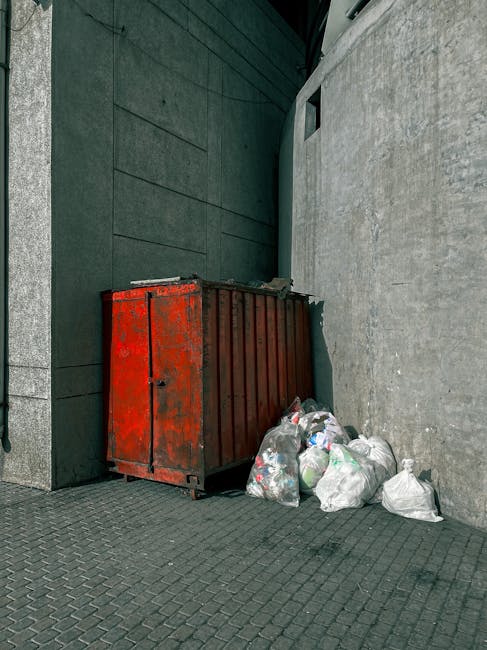
Avoid hidden rubbish removal fees in Central London
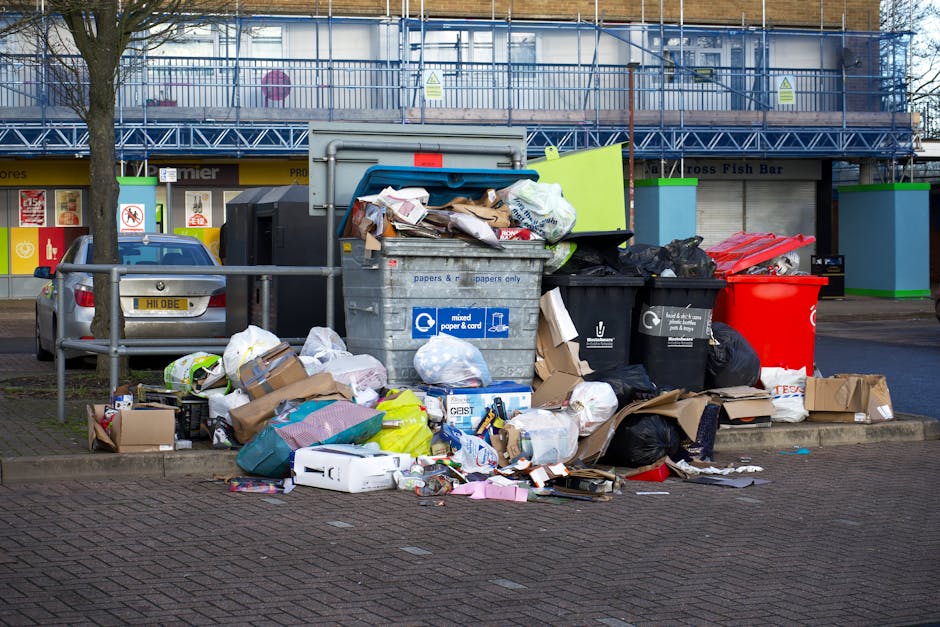
If you have ever asked for a rubbish clearance quote in Central London and then watched the number creep up once the van arrives, you are not alone. Hidden charges are one of the fastest ways to turn a simple job into a frustrating one. The good news is that you can avoid hidden rubbish removal fees in Central London with a bit of know-how, a few smart questions, and a clearer idea of what a fair quote should include.
This guide breaks the process down in plain English. You will learn where surprise costs usually appear, how reputable waste carriers price a job, what to check before you book, and how to compare like for like without getting caught out. It is practical, local, and built for people who just want the mess gone without the drama.
Why Avoid hidden rubbish removal fees in Central London Matters
Central London is a place where space is tight, access can be awkward, and timing matters more than people expect. A basement flat in Marylebone, a top-floor office near Holborn, or a shop in Soho with no easy loading bay can all create extra work for a waste team. That is fair enough. What is not fair is being told one price on the phone and discovering a very different number once the job is underway.
Hidden rubbish removal fees matter because they affect more than your budget. They affect trust. They can also delay a clearance if you decide to dispute the cost on the spot, which is awkward when you have builders waiting, a landlord inspection coming up, or a property sale moving fast. In our experience, most frustration comes not from the final price itself, but from poor communication about what was included. People can handle bad news. They do not enjoy surprise news.
There is another practical reason this matters in Central London specifically: many jobs involve mixed waste, stairs, parking restrictions, lift access, or narrow street access. These are legitimate cost factors if they are explained clearly. The problem is when they are used loosely as after-the-fact add-ons. A clear quote should help you understand why the job costs what it costs, not leave you guessing in the doorway with a half-full van and a growing invoice.
Expert summary: the safest way to avoid surprise rubbish removal costs is to ask for a quote that is itemised, based on the actual load, and clear about access, labour, and disposal. If anything sounds vague, pause and ask for it in writing.
How Avoid hidden rubbish removal fees in Central London Works
At a simple level, rubbish removal pricing is usually based on a combination of volume, weight, labour, access, and disposal type. A transparent provider will assess the job from the details you give, then explain the cost before work begins. The hidden-fee problem starts when the initial estimate is too broad, or when the operator leaves out important information that only becomes obvious once they arrive.
Here is how a good process normally works. You describe the waste, share photos if possible, explain where the rubbish is located, and mention access issues such as stairs, lift use, permit restrictions, or tight entry points. The company then gives you a quote or estimate that should make sense against those details. If they cannot see the waste in person, a fair provider will say the figure is an estimate and explain what could change it. That distinction matters. A lot.
Common hidden fees tend to come from a few predictable places:
- Access charges for stairs, long carries, basement clearances, or difficult parking.
- Waiting time if the team cannot start as planned.
- Extra labour for heavy items, awkward dismantling, or more hands on site than expected.
- Disposal surcharges for bulky, specialist, or mixed waste that costs more to process.
- Minimum load charges if the actual volume is lower than the price band you were quoted for.
- Misclassification fees if the waste turns out to be different from what was described.
To be fair, some of these are not hidden at all when handled properly. They are just job variables. The issue is transparency. A provider should explain what is likely to be fixed, what is variable, and what conditions might change the price. If that conversation feels rushed, you are probably not getting the full picture.
And yes, one small but useful trick: ask what would make the price go up. That simple question often reveals whether the quote is thoughtful or a bit flimsy.
Key Benefits and Practical Advantages
When you avoid hidden rubbish removal fees in Central London, the biggest benefit is not just saving money. It is getting certainty. And certainty makes the rest of the job much easier.
1. You can budget properly
If you are clearing a flat, office, or rental property, the waste bill is often only one part of a bigger project. Once you know the cost in advance, you can plan the rest properly, whether that means decorating, moving furniture, or finishing a refit before Monday morning. No unpleasant wobble at the end.
2. You compare providers on value, not guesswork
A cheap-looking quote can become the expensive option if it is missing labour, access, or disposal charges. Transparent pricing lets you compare the real total, not just the headline number.
3. You reduce stress on the day
If the price is agreed clearly beforehand, the collection feels calmer. There is less back-and-forth, fewer awkward conversations, and no need to stand in the hallway wondering what the final bill will be. That peace of mind is worth something, especially in a busy part of London where time is tight.
4. You are less likely to delay the clearance
People often hesitate when they fear the final price will jump. Clear costs remove that hesitation. It becomes easier to book the service you actually need instead of living with the clutter for another month. We have all seen that one room where boxes somehow multiply quietly in the corner.
5. You are better protected against poor service
Transparent pricing is often a sign of transparent working. It does not guarantee perfection, of course, but it does suggest the company is more likely to describe the job honestly, communicate well, and handle problems like adults.
| What you gain | Why it helps | What to look for |
|---|---|---|
| Cost certainty | Helps you avoid unexpected add-ons | Itemised or clearly explained quote |
| Better comparison | Makes providers easier to assess fairly | Same scope, same assumptions |
| Faster decisions | Reduces back-and-forth and delays | Clear wording on labour and access |
| Less stress | Makes the clearance day simpler | Written confirmation before arrival |
Who This Is For and When It Makes Sense
This is for anyone in Central London who wants waste removed without a messy pricing surprise. That includes homeowners, renters, landlords, letting agents, office managers, shop owners, and tradespeople. If you are dealing with a one-off bulky clear-out or recurring waste from a project, the same principle applies: know the full cost before anyone starts lifting.
It makes particular sense if your job has any of these features:
- There are stairs or no lift.
- The waste is in a basement, loft, or rear garden.
- You are working in a controlled parking area or permit zone.
- The rubbish includes mixed materials rather than one simple waste type.
- You need same-day or timed collection.
- You are clearing a property that has been left untidy for a while, and the scale is not obvious.
If your job is a simple single-item pickup from a ground-floor location, pricing is usually easier. But even then, it is still worth checking what is included. A chair is a chair, until it turns out to be a chair, a broken table, and two bags of loft clutter that quietly joined the party.
Let's face it, Central London jobs are often more complicated than they first appear. That is not a problem, as long as the quote reflects reality rather than optimism.
Step-by-Step Guidance
If you want to avoid hidden rubbish removal fees in Central London, follow a process rather than relying on a quick phone estimate. A few minutes of checking can save you a lot later.
Step 1: List exactly what needs removing
Write down the main items and the rough amount. Include furniture, bags, broken appliances, building debris, office waste, garden waste, or anything mixed in with the pile. If the waste is scattered between rooms, say so. A simple "few items" description is often too vague.
Step 2: Share clear photos
Photos are useful because they show volume, access, and awkward objects better than a verbal description. Stand back and take a few wide shots, then close-ups of heavy or unusual items. In a narrow hallway at 8:30 in the morning, those extra details matter more than people think.
Step 3: Explain access honestly
Be specific about stairs, lifts, parking, loading restrictions, entry codes, basement access, and whether the team will need to carry items through a long corridor or across a courtyard. If there is no easy parking nearby, say so. It is better to sound over-detailed than to sound cheerful and surprised on collection day.
Step 4: Ask what is included in the price
Check whether the quote includes labour, loading, disposal, congestion or access-related challenges, and any minimum charges. Ask whether the price is fixed or estimated. That one distinction can save a lot of confusion.
Step 5: Ask what could change the cost
Good providers will tell you the likely triggers for extra charges. For example, waste that turns out to be heavier than described, or access that is more difficult than expected. This is not you being difficult. This is you being sensible.
Step 6: Confirm it in writing
Once you are happy, ask for the quote or booking confirmation in writing, even if it is just by email or message. If the provider cannot summarise the scope clearly, that is a warning sign in itself.
Step 7: Recheck before the team arrives
On the day, do a quick final check. Make sure the waste matches the description and that access is as expected. If anything has changed, tell them before the job begins, not after the van doors are open.
Simple rule: the more specific the information you give, the less room there is for surprise charges.
Expert Tips for Better Results
After enough rubbish removal jobs, a pattern emerges. The customers who feel happy afterwards are usually not the ones who found the cheapest ad. They are the ones who asked the best questions.
Use photos instead of vague descriptions
"Three sofas" can mean very different things depending on size, condition, and access. A photo removes guesswork. If you can, include a shot that shows where the waste sits in relation to the front door or lift.
Separate normal waste from specialist waste
Not all rubbish is treated the same. Items like fridges, mattresses, builders' rubble, paint, or electrical equipment may need different handling. If you mix everything into one description, the price can shift. That does not mean the provider is being sneaky; it means the job was under-described.
Be careful with "from" prices
A quote that says "from GBPX" is not automatically bad. But you should know what conditions are required for the lower number to apply. Is it ground-floor access? A half-load? No heavy lifting? Ask straight away.
Ask about labour assumptions
Some jobs include two people, others may need three. If the quote relies on a small crew but your waste needs careful carrying, that may change the total. It is better to know that up front than to be told once the team is already sweating by the back gate.
Check the disposal wording
Sometimes a quote is cheap because disposal is not fully explained. If the waste type is awkward or mixed, a responsible company should explain that the price reflects legitimate disposal costs. That is normal. Vague wording is the problem, not honest pricing.
Keep the scope narrow
If only one room or one pile needs clearing, say so. Do not casually mention the garage "if there is time" unless you actually want it included. Small extras can be the difference between an accurate quote and an awkward one.
Choose clarity over charm
A friendly voice on the phone is lovely. Really, it is. But friendliness should sit alongside precision. A clear, written breakdown beats a confident-sounding estimate every time.
Common Mistakes to Avoid
Most hidden-fee problems come from a handful of common mistakes. Avoid these and you are already ahead of the game.
- Giving a rough description only. "A bit of rubbish" is not enough detail for a proper quote.
- Forgetting access issues. Stairs, loading bays, and parking difficulties can all affect the job.
- Comparing only headline prices. The cheapest figure may exclude labour or disposal.
- Assuming all waste is treated the same. Mixed loads often cost differently from simple loads.
- Not asking about minimum charges. Small jobs can still have a base cost.
- Booking without written confirmation. If the quote only exists in someone's memory, that is not much use later.
- Leaving everything until the last minute. Rush jobs are more likely to be expensive, and fair enough, but you should know why.
One small but common slip is not checking whether the price includes VAT or whether it is shown separately. That tiny line on an invoice can make a decent-looking quote feel suddenly less decent. Better to ask. Always.
Another one: assuming the person taking your call can see exactly what you see. They cannot. Not from a rushed description between meetings, not unless you tell them properly.
Tools, Resources and Recommendations
You do not need specialist software to avoid hidden rubbish removal fees in Central London. A phone, a few photos, and a sensible checklist will do most of the work. Still, a few basic tools make the process easier.
- Photo notes on your phone so you can label what each pile contains.
- A simple room-by-room list for larger clearances.
- Measurements for bulky items if space is tight.
- Access notes including floor level, lift size, and parking restrictions.
- Email or text confirmation to keep the agreed quote in writing.
If you are organising a property clearance, it also helps to create a short sequence of priorities: what must go first, what can wait, and what should not be touched. That kind of order keeps the job tidy and reduces confusion on the day.
For related rubbish and waste planning guidance on this site, you may also find our rubbish clearance information useful when deciding how to scope a job before booking. If your project is larger or more mixed, reading about house clearance can help you think through access, sorting, and disposal in a more structured way.
And if the job is part of a wider property or business tidy-up, the office clearance page can be a practical next stop for understanding how commercial clearances are typically handled.
Law, Compliance, Standards, or Best Practice
Waste removal in the UK is not just a convenience service; it sits within a framework of duty, responsibility, and sensible handling. You do not need to become an expert in waste law to book a collection, but it does help to know the basics.
As a customer, you should use a company that can handle waste responsibly and explain what happens to it. A reputable provider should be able to talk plainly about disposal methods, sorting, and the type of material being collected. If they seem vague about where the waste goes or how it is processed, that is worth questioning.
From a best-practice point of view, the most reliable rubbish removal services tend to do a few things consistently:
- They describe the scope clearly before arriving.
- They separate estimate from fixed price when appropriate.
- They explain access-related variables.
- They communicate any change before adding extra cost.
- They handle waste types carefully rather than lumping everything together.
If you are clearing commercial premises, landlords' property, or mixed domestic waste, it is especially sensible to keep records of what was removed and what was agreed. Not because you expect problems, but because it keeps everyone honest. That is often enough.
Best practice also means being careful with suspiciously low quotes. If a price looks far below everyone else's and the explanation is thin, ask more questions. Very low pricing without detail can sometimes mean corners are being cut somewhere, and that is rarely a good bargain in the long run.
Options, Methods, or Comparison Table
There is more than one way to get rubbish removed in Central London, and the right choice depends on urgency, volume, access, and how much certainty you want over the final cost.
| Method | Best for | Pros | Watch out for |
|---|---|---|---|
| Pre-quoted man and van collection | Mixed household or office waste | Convenient, often fast, good for awkward access | Make sure the quote covers labour, access, and disposal |
| Fixed-price clearance | Well-defined jobs | Budget certainty, simpler decision-making | Confirm exactly what the fixed price includes |
| On-site assessment first | Large or unclear clearances | More accurate pricing, fewer surprises | Can take longer to arrange |
| DIY disposal | Small loads with time and transport available | Can be cheaper if you have the means | Time, labour, parking, and disposal rules can quickly add up |
For many Central London customers, the sweet spot is a provider that gives a clear estimate from photos and then confirms any variable parts before the job begins. That gives you convenience without blind faith. Which, let's be honest, is the part nobody really wants to rely on.
Case Study or Real-World Example
Here is a realistic example based on the sort of job people in Central London often face.
A flat in Fitzrovia needs clearing after a long tenancy. The tenant has already moved out, and the landlord wants the main rooms emptied before a decorator arrives. There are two wardrobes, a bed base, several bin bags, a broken desk chair, and a few loose items in the hallway. The first enquiry gets a rough price, but the property has no lift and the staircase is narrow. The quote is then revised upwards once the collection team understands the access properly.
That does not automatically mean anyone behaved badly. The useful part is what happens next: the landlord sends better photos, explains that the items are on the second floor, and confirms there is no loading space directly outside. The provider can then quote more accurately. The final figure is still not the cheapest estimate originally heard, but it is fair, clear, and agreed before the team starts lifting anything.
That is the point. The aim is not to force every job into a fantasy low price. It is to get an honest price early enough that you can decide properly. A little clarity at the beginning saves a lot of aggravation later. Simple, really.
Practical Checklist
Use this checklist before you book rubbish removal in Central London. It is small enough to save on your phone, and useful enough to stop a few headaches.
- Have I listed every item or pile that needs removing?
- Have I shared clear photos from more than one angle?
- Have I explained stairs, lift access, parking, and loading restrictions?
- Have I asked whether the quote is fixed or estimated?
- Do I know what labour, disposal, and access are included?
- Have I asked what might increase the price?
- Do I understand whether the waste includes any specialist items?
- Is the quote confirmed in writing?
- Have I checked whether VAT is included or added separately?
- Have I compared the total scope, not just the headline price?
If you can tick most of those off, you are in good shape. If not, slow down a bit and ask a few more questions. It is far easier to clear up the details before the van arrives than after.
Conclusion
To avoid hidden rubbish removal fees in Central London, the smartest move is usually the least dramatic one: be specific, ask clear questions, and insist on a quote that matches the job in front of you. The more realistic the information you give, the less room there is for surprise costs. That is true whether you are clearing a flat, a shop, an office, or a one-off pile of bulky waste that has been bothering you for weeks.
In a city where access can be awkward and every minute counts, clarity is worth more than a flashy low starting price. A trustworthy provider will welcome your questions, explain the variables, and help you understand the final cost before anyone starts loading. That is the standard you should expect. Fair, simple, and refreshingly unmessy.
Get a free quote today and see how much you can save.
Frequently Asked Questions
How do I avoid hidden rubbish removal fees in Central London?
Give a full description of the waste, share photos, explain access issues, and ask for a written quote that shows what is included. Also ask what could change the price before the job begins.
Why do rubbish removal quotes change after the team arrives?
Quotes often change when the waste amount, access, or waste type differs from the original description. Sometimes that is a genuine adjustment, but a good provider should explain it clearly before adding cost.
Are "from" prices a warning sign?
Not always. A "from" price can be legitimate if the provider explains the conditions needed for that figure. If the quote is vague about those conditions, be cautious.
What details should I send for an accurate quote?
Send photos, room location, floor level, access details, and a list of items. If there are bulky or unusual items, mention them separately so nothing gets missed.
Do stairs or no lift usually cost extra?
They can, because they affect labour and time. That is normal in many clearances, but the cost should be explained upfront rather than appearing as a surprise.
Should rubbish removal prices include disposal?
In most cases, yes, or at least the quote should clearly say whether disposal is included. Always check this point, because it makes a big difference to the real total.
Is it better to choose the cheapest quote?
Not necessarily. The cheapest quote may exclude labour, access, or disposal. Comparing total scope is usually safer than chasing the lowest headline figure.
How can I tell if a company is being transparent?
Transparent companies answer questions plainly, confirm the scope in writing, and explain any variables before work starts. If answers stay vague, that is usually a sign to keep looking.
What if I have mixed waste, not just one type?
Mixed waste can be fine, but it should be described accurately because it may affect sorting and disposal. The more honest your description, the less likely you are to get a revised price later.
Can I reduce the risk of extra charges on the day?
Yes. Keep the waste where you said it would be, make access as easy as possible, and warn the provider if anything changes. Tiny things matter here more than people expect.
Is a written quote important even for a small job?
Yes, even for small jobs. A short written confirmation can prevent confusion over what was included, especially if the job involves tight access or a minimum charge.
What should I do if a quote seems too low?
Ask what is included and what is not. A very low quote with little explanation can be a sign that extra fees will appear later, which is exactly what you are trying to avoid.