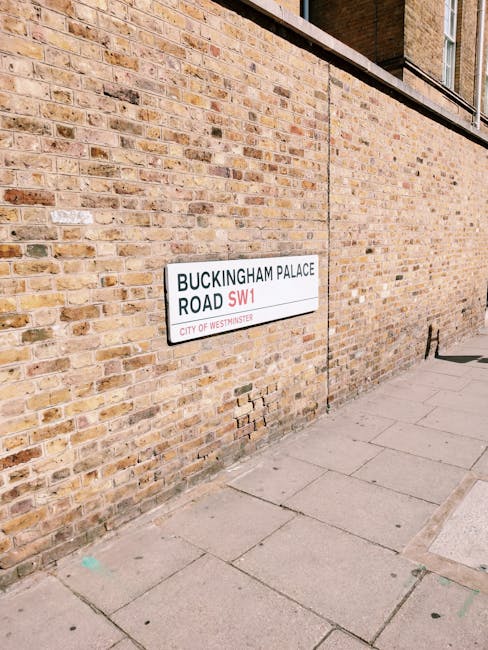
SW1 Westminster Rubbish Disposal Near Buckingham Palace: A Practical Local Guide
If you are dealing with SW1 Westminster rubbish disposal near Buckingham Palace, you are probably juggling the usual London mix: limited space, tight access, awkward collection times, and the simple fact that rubbish seems to multiply when you are not looking. One bag becomes three. A broken chair sits in the hallway. A box of renovation offcuts quietly turns into a small mountain. Sound familiar?
This guide explains how rubbish disposal works in this part of Westminster, what to expect from a reliable service, and how to avoid the common mistakes that lead to delays, extra cost, or messy repeat trips. It also covers practical examples for homes, flats, offices, and small commercial spaces around Buckingham Palace, with a focus on clear, sensible decisions rather than fluff.
Whether you are clearing a flat, removing bulky items, or sorting mixed waste after a refresh or refurb, the goal is the same: get it gone properly, with as little disruption as possible.
- Why it matters in SW1 Westminster
- How rubbish disposal works locally
- Key benefits and practical advantages
- Who this is for and when it makes sense
- Step-by-step guidance
- Expert tips for better results
- Common mistakes to avoid
- Tools, resources and recommendations
- Law, compliance, standards and best practice
- Options and comparison table
- Case study or real-world example
- Practical checklist
- Conclusion
- Frequently asked questions
Why SW1 Westminster rubbish disposal near Buckingham Palace Matters
Rubbish disposal in SW1 is not just a housekeeping task. Around Buckingham Palace and the wider Westminster area, it is often a logistics problem, a compliance issue, and a neighbour-relations issue all at once. Streets are busy. Access can be awkward. Properties are often period buildings, managed flats, serviced apartments, embassies, offices, or mixed-use premises with shared entrances. That changes everything.
In practice, the wrong disposal approach can create avoidable headaches. For example, bulky waste left in a communal hallway can cause complaints straight away. A builders' bag parked in a restricted spot can block access and draw attention. Even something as simple as old furniture or office junk may need more planning than people expect, especially where loading bays, lift access, and time windows are limited.
It also matters because rubbish should be dealt with in a way that is lawful and traceable. In the UK, duty of care for waste is a real thing. You do not want to hand waste to someone who disappears after a cash deal and leaves you with the risk. That bit is boring, yes, but it matters more than most people think.
For local residents and businesses, the best outcome is disposal that is quick, tidy, and properly handled. That means planning the right method for the waste type, choosing a service that suits the building and the street, and making sure the collection happens with minimal disruption. If you are managing a broader property clear-out, related services such as house clearance or flat clearance may be more appropriate than a simple one-off rubbish removal.
Expert summary: In SW1 Westminster, the best rubbish disposal is rarely the one with the lowest headline price. It is the one that fits the building, the access, the waste type, and the timing without causing a ripple of avoidable problems.
How SW1 Westminster rubbish disposal near Buckingham Palace Works
The process usually starts with identifying what needs to go. That sounds obvious, but it is the bit people rush. A mixed pile may include general rubbish, furniture, packaging, small electrical items, building offcuts, garden waste, or office materials. Each category can affect the method and vehicle needed.
In a typical local collection, the provider will ask for a description of the waste, access details, and timing preferences. If the property is on a narrow street, near a controlled zone, or inside a managed block, those details help avoid awkward delays. In some cases, the team may need to collect from inside the property, down a stairwell, or from a rear service entrance. Westminster is rarely "simple" in that sense. To be fair, that is just London.
For many customers, the service falls into one of these patterns:
- General rubbish collection for bags, mixed household junk, and light clutter.
- Bulky item removal for sofas, wardrobes, beds, and other large objects.
- Waste clearance for a bigger mixed load from a home, office, or commercial premises.
- Specialist disposal for builders' waste, garden waste, or business waste.
If your waste is mostly construction debris, the right match is often builders waste removal. If it is an office refresh with old desks, monitors, filing units, and general clutter, then office clearance or business waste services may be the better route. The good operators will help you sort that out before collection day rather than after the van is already outside. Which is better, honestly? The answer is obvious.
Most services then follow a straightforward flow: quote, arrival window, loading, sorting, transport, and disposal or recycling at a suitable facility. Some collections are one-off. Others are planned as part of a larger clearance project. Either way, a good provider should make the process feel calm, not chaotic.
Key Benefits and Practical Advantages
There is a reason people in central London increasingly choose a professional rubbish disposal service instead of trying to do everything themselves. It is not laziness. Usually, it is common sense.
1. Less disruption
In a busy part of Westminster, dragging waste around yourself can be slow and stressful. A proper collection saves multiple trips, avoids parking headaches, and keeps stairwells and hallways clear.
2. Better handling of bulky items
Old furniture, white goods, and awkward loads are difficult to move safely without the right people and equipment. A service with the right experience can do the heavy lifting without damaging walls, lifts, or floors.
3. Cleaner end result
One of the most underrated benefits is the finish. A good clearance leaves the space usable again, not half-done and dusty with a few bits still lurking in the corner.
4. More suitable for mixed waste
Homes, flats, and offices often produce mixed loads. A single collection service can be a better fit than trying to separate everything into lots of tiny arrangements. If furniture is part of the problem, furniture disposal can help remove the biggest obstacles first.
5. Better local fit
SW1 has specific access realities. A team used to central London will be more comfortable dealing with loading constraints, tight streets, and building rules. That local familiarity can save time and a few headaches too.
6. Peace of mind
Truth be told, this is the one people remember. You want the rubbish gone properly, with less worrying about what happens next.
Who This Is For and When It Makes Sense
SW1 Westminster rubbish disposal near Buckingham Palace makes sense for a wide range of people. If you are wondering whether your situation qualifies, it probably does.
Homeowners and tenants
Flat clear-outs, end-of-tenancy rubbish, spring cleaning, or post-delivery packaging are common reasons. A lot of local properties simply do not have room to accumulate waste for long.
Landlords and agents
Between tenancies, a property may need fast clearing before cleaning, decorating, or relisting. Small delays can affect the whole handover chain, and everyone knows what that feels like when a key appointment starts sliding.
Office managers and business owners
Desks, chairs, old stock, archive boxes, and refurbishment debris can pile up quickly. A focused collection helps keep the space functional while work continues. If the waste is mainly operational or commercial, office clearance and business waste are often the better-fit pages to review.
Builders and trades
Small renovation jobs and finishing works generate lots of awkward waste: plasterboard, timber offcuts, packaging, old fixtures, and mixed rubble. That is where builders waste support can be the right choice.
Facilities teams and property managers
If you are dealing with multiple units, shared bins, or a building that needs periodic clear-outs, a scheduled approach is usually more efficient than dealing with every incident on its own.
Sometimes the trigger is not a big project at all. It is just that one cluttered storage room near the back staircase. You know the one.
Step-by-Step Guidance
If you want the process to run smoothly, take it in order. Rushing the setup is where things go sideways.
- Identify the waste type. Separate household rubbish, furniture, electronics, builders' debris, garden cuttings, and anything hazardous or unusual. Mixed waste is fine, but it needs to be described accurately.
- Estimate volume. Think in practical terms: a few bags, a corner of a room, one van load, or more. Photos help a lot here, especially for awkward piles.
- Check access. Consider stairs, lift size, parking, loading restrictions, concierge rules, and any times when the building cannot accept collections.
- Choose the right service. For clutter from a home, consider home clearance. For a single sofa or similar item, sofa removal may be enough. For a larger mixed clear-out, rubbish removal or waste removal may suit better.
- Ask what happens next. A good provider should be clear about loading, timing, and disposal. If something is not clear, ask. Better to ask now than to guess later.
- Prepare the space. Move fragile items out of the way, keep access clear, and point out anything that needs special handling.
- Confirm completion. Once the team finishes, do a quick walk-through. Check corners, behind doors, and under shelving. People miss things. We all do.
That is the basic flow. Simple on paper, a little less simple in a real SW1 building at 8 a.m. with traffic outside and a lift booked by somebody else. Still manageable, though.
Expert Tips for Better Results
Give exact access details up front. If the vehicle cannot stop outside for long, say so. If there is no lift, say that too. The more honest the setup, the smoother the collection.
Separate the awkward items early. Mattresses, broken glass, paint tins, and electronic equipment can complicate a job. Even if you are not fully sorting the load, identify the odd bits before the team arrives.
Use photos, not just descriptions. A picture of a pile in a hallway tells a better story than a text message ever will. This is especially useful for mixed loads in central London flats.
Keep timing realistic. In Westminster, short windows can be tight. If your building has fixed access rules, build around them rather than hoping for the best. Hope is not a logistics plan.
Think in terms of the whole clearance. If the rubbish is part of a broader declutter, it may make more sense to combine it with flat clearance or house clearance rather than handling items piecemeal.
Ask about sorting and reuse. Some items may be suitable for reuse, donation, or separate handling depending on condition. Even when that is not possible, a sensible service should aim for responsible disposal routes.
Do a quick pre-collection tidy. Not a deep clean, just enough to make the collection efficient. Clear a path. Remove anything you want to keep. Make the job easy for everyone involved.
Common Mistakes to Avoid
Most rubbish disposal problems in SW1 are avoidable. The usual mistakes are basic, but they have a way of becoming expensive or annoying very quickly.
- Underestimating access issues. A large van may not be able to wait or park where you hoped. Central London is full of small surprises like that.
- Mixing everything together without explanation. A mixed pile can be fine, but only if the provider knows what is in it.
- Leaving it until the last minute. Last-minute collections can still happen, but they are harder to coordinate and often more stressful.
- Assuming all waste is handled the same way. Builders' waste, furniture, garden waste, and business waste each bring different considerations.
- Ignoring building rules. Concierge permissions, loading bays, and quiet hours matter. A lot.
- Choosing only on price. Cheap can be fine. Cheap and vague is where things go sideways.
One more thing: do not leave yourself with a "mystery pile" that nobody wants to claim responsibility for. It happens more than you would think, especially in shared buildings.
Tools, Resources and Recommendations
You do not need fancy equipment to organise rubbish disposal well. A few basic tools make the process much easier.
- Phone camera for photos of the waste and access route.
- Tape measure for doorways, lift openings, and bulky items.
- Heavy-duty bags for loose rubbish that needs bundling.
- Labels or notes to identify what stays and what goes.
- Basic gloves for safe sorting before collection.
For related local needs, the following services are worth considering if they match the job:
- rubbish clearance for mixed everyday waste and clutter
- waste clearance for broader disposal jobs
- waste collection when a standard pickup-style service fits best
- waste disposal for the final handling side of the job
- rubbish collection when you want a more straightforward pickup format
If you are not sure which route is right, that is normal. A lot depends on the waste itself and how easy the property is to work in.
Law, Compliance, Standards, or Best Practice
Waste should be handled carefully. In the UK, you have a responsibility to make sure rubbish is passed to a legitimate carrier and disposed of properly. The exact obligations vary depending on whether you are a householder, landlord, tenant, sole trader, or business operator, so it is wise to be cautious rather than casual.
For businesses, duty of care is especially important. That usually means keeping sensible records, knowing what was collected, and making sure the waste does not end up fly-tipped or mishandled. If something feels vague, ask for clarity. If a provider cannot explain what happens to the waste, that is a red flag, simple as that.
Best practice also includes:
- being honest about the waste type
- not mixing hazardous items with general rubbish
- checking access and loading rules in advance
- keeping shared areas clear and safe
- using a service that can describe its disposal approach plainly
For larger properties or offices, it is often smarter to plan the clearance in stages instead of creating one chaotic pile and hoping it sorts itself out. It never does.
Options, Methods, or Comparison Table
Different situations call for different disposal methods. Here is a simple comparison to help you choose.
| Option | Best for | Strengths | Watch-outs |
|---|---|---|---|
| Bag-and-bin approach | Very small amounts of light household waste | Simple, familiar, low effort for tiny amounts | Poor fit for bulky items or mixed loads |
| Self-transport | People with the right vehicle and enough time | Direct control over timing | Parking, lifting, fuel, and disposal logistics can be awkward |
| Rubbish removal service | Mixed waste, bulky items, and one-off clearances | Convenient, fast, suited to central London access issues | Needs accurate information upfront |
| Full clearance service | Homes, flats, offices, garages, or bigger projects | Best for larger or more varied loads | May be more than you need for a small pile |
| Specialist waste route | Builders' waste, business waste, garden waste, or specific item types | More suitable handling for the waste category | Must match the load correctly |
If you are dealing with a single type of item, a specialist page like garden clearance may be the neatest solution. If the pile is a bit of everything, a broader rubbish or waste service is usually easier.
Case Study or Real-World Example
Here is a realistic example. A small flat near Buckingham Palace had been occupied by a tenant who moved out quickly, leaving behind a mix of household waste, a damaged bookshelf, packaging from new furniture, and a few random bits from the bathroom and kitchen. Nothing dramatic. Just enough to make the place feel unfinished and cluttered.
The main challenge was access. The building had a shared entrance, a narrow staircase, and a limited window for loading outside. There was also a neighbour who, quite understandably, did not want the hall blocked for long. So the job had to be planned properly.
Instead of trying to deal with everything separately, the client grouped the waste by item type, sent photos, and asked for a collection that could handle mixed material. The furniture went first, then the loose rubbish, then a final sweep of small bits that had been missed during the move. The result was not glamorous, but it was effective. The flat was ready for cleaning the same day, and the building stayed calm, which is half the battle in central London.
That kind of job is typical. No drama, just a practical clear-out that works because somebody took five minutes to plan it well.
Practical Checklist
Use this before your collection day. It saves time, and frankly it saves nerves too.
- Identify exactly what needs disposing of
- Separate furniture, general waste, and specialist items if possible
- Take photos of the waste and access route
- Check lift access, stair width, and parking or loading limits
- Confirm any building rules, concierge instructions, or quiet hours
- Remove anything you want to keep before the team arrives
- Make sure the path to the waste is clear
- Ask how mixed waste will be handled
- Choose the right service for the load size and type
- Do a final room-by-room check after collection
Quick tip: If the waste is spread across several rooms, work backwards from the exit. That tiny bit of planning stops you from re-handling the same item three times. Which, let's face it, is the sort of thing nobody wants.
Conclusion
SW1 Westminster rubbish disposal near Buckingham Palace is all about matching the right service to a very specific local environment. The streets are busy, the buildings can be awkward, and the waste itself is often more varied than it looks at first glance. Get the basics right, though, and the process becomes much easier than people expect.
Start by identifying the waste, checking access, and choosing a service that suits the load. Be clear about timing, building rules, and item types. That is how you avoid stress, reduce delay, and get a clean result without turning it into a whole week's project.
If you are clearing a flat, a house, an office, or a mixed pile of bulky items, sensible planning will always beat rushed guesswork. Small steps, good info, done properly. That usually wins.
Get a free quote today and see how much you can save.
Sometimes the best feeling is simple: the space is clear, the air feels lighter, and you can finally move on.
Frequently Asked Questions
What counts as rubbish disposal near Buckingham Palace in SW1?
It usually includes general household waste, bulky items, mixed clutter, unwanted furniture, and sometimes light commercial waste. The exact service depends on the type and volume of items.
Is rubbish removal better than taking waste to a tip myself?
For many people in SW1, yes. Self-transport can be slow and awkward because of parking, lifting, and access. A collection service is often easier, especially for bulky or mixed loads.
Can you collect rubbish from a flat with no lift?
Yes, in many cases. It just needs to be planned properly. Stairs, tight landings, and shared hallways should be mentioned in advance so the collection can be organised safely.
What if my rubbish includes old furniture and bags of clutter?
That is very common. Mixed loads are often handled through rubbish removal, waste clearance, or flat clearance, depending on the amount and the item types.
Do I need a special service for builders' waste?
Usually, yes. Builders' waste often includes heavier, messier, or more awkward material than ordinary household rubbish, so a service designed for construction debris is a better fit.
How do I know whether I need house clearance or rubbish clearance?
If you are clearing most or all of a property, house clearance is often the better match. If you are removing a smaller pile, rubbish clearance may be enough. The size and variety of the load usually decide it.
What should I tell the collection team before they arrive?
Tell them the waste type, approximate amount, access details, parking constraints, lift or stair access, and whether anything awkward or fragile is included. Clear information avoids most problems.
Is business waste handled differently from household rubbish?
Often, yes. Businesses may have different expectations around duty of care and record-keeping, so it is sensible to use a service that understands commercial waste handling.
Can you remove just one sofa or bulky item?
Yes. Single-item removal is common, especially for sofas, beds, wardrobes, and similar items that are hard to move on your own.
What happens if I mix different waste types together?
Mixed waste can still be collected, but it needs to be described accurately. Some items may need separate handling, so honesty at the quoting stage matters more than perfect sorting.
How can I make the collection quicker on the day?
Keep access clear, group items together if possible, and make sure you know what is staying and what is going. A tidy route and clear instructions make a surprising difference.
Is this service suitable for offices near Buckingham Palace?
Yes. Offices often need disposal for desks, chairs, archive materials, and general clutter. Office clearance or business waste services are usually more suitable than a standard home-only collection.
What is the safest next step if I am not sure which service I need?
Start with a clear description of the waste and the access situation. From there, a suitable clearance or collection option can usually be matched to the job without overcomplicating it.